
Juice Earth Flyby
Space articles
All articles →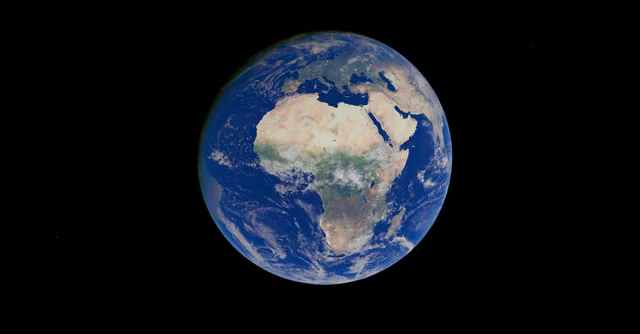
Related countdowns
See more space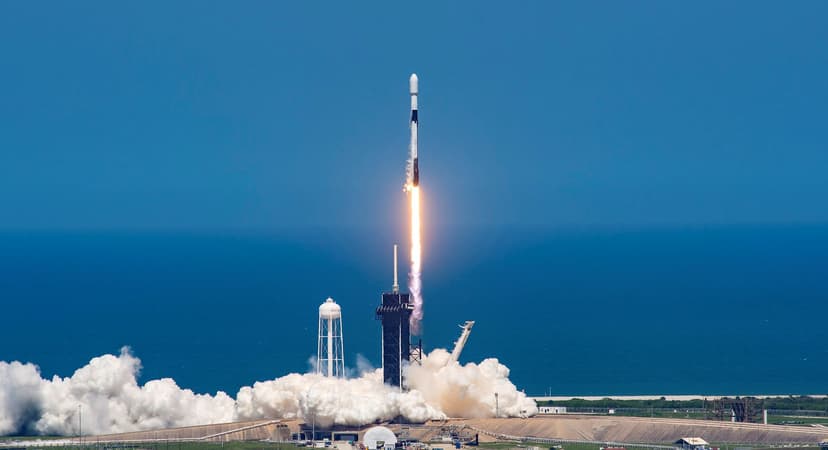
Falcon 9 Block 5 | SDA Tranche 1 Transport Layer A
Launch by SpaceX. Tranche 1 Transport Layer A is one of six missions by the United States Space Force Space Development Agency (SDA) for the Proliferated Warfighter Space Architecture (PWSA) Tranche 1 Transport Layer constellation, which will provide assured, resilient, low-latency military data and connectivity worldwide to the full range of warfighter platforms from Low Earth Orbit satellites. The constellation will be interconnected with Optical Inter-Satellite Links (OISLs) which have sig

SpaceX Crew-12 Crew Dragon Undocking
The Crew-12 Crew Dragon will undock from the International Space Station, carrying four astronauts. It will then reenter the Earth's atmosphere and splashdown in the Pacific Ocean. Location: International Space Station.

Nuri | NeonSat-2 to 6
Launch by Korea Aerospace Research Institute. NeonSat-2 to 6 are part of the South Korean government's Earth observation micro-satellite constellation NeonSat (New-space Earth Observation Satellite). The NeonSat constellation is the first satellite system developed by the government using a mass-production approach for precise monitoring of the Korean Peninsula. From Naro Space Center, South Korea.

NG-24 Cygnus Release
The Northrop Grumman NG-24 Cygnus will be unberthed from the ISS before initiating a destructive reentry into the Earth's atmosphere taking waste along with it. Location: International Space Station.
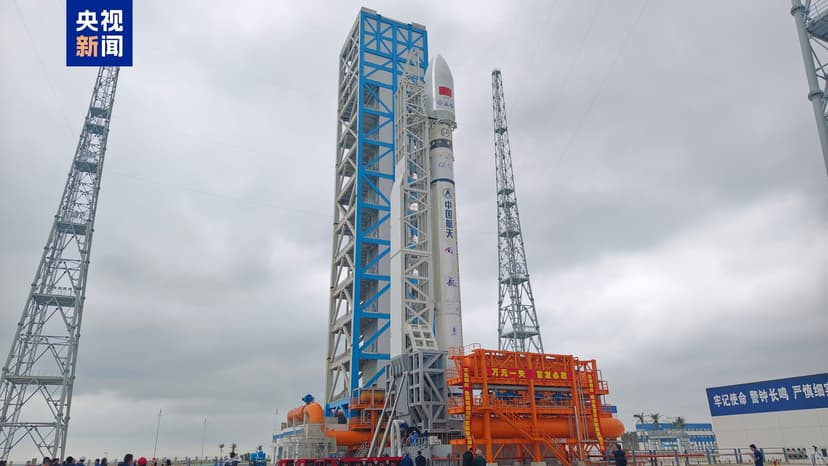
Long March 12 | Unknown Payload
Launch by China Aerospace Science and Technology Corporation. Details TBD. From Wenchang Space Launch Site, People's Republic of China.
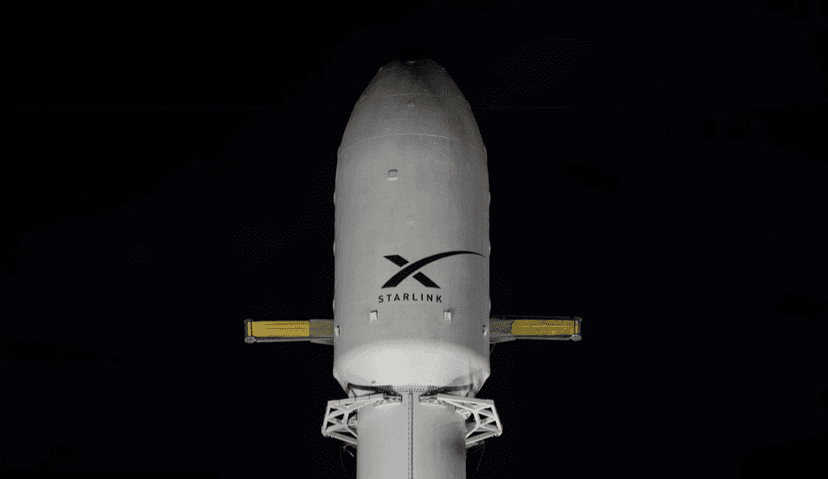
Falcon 9 Block 5 | Starlink Group 15-25
Launch by SpaceX. A batch of 27 satellites for the Starlink mega-constellation - SpaceX's project for space-based Internet communication system. From Vandenberg SFB, CA, USA.