Moon Phases
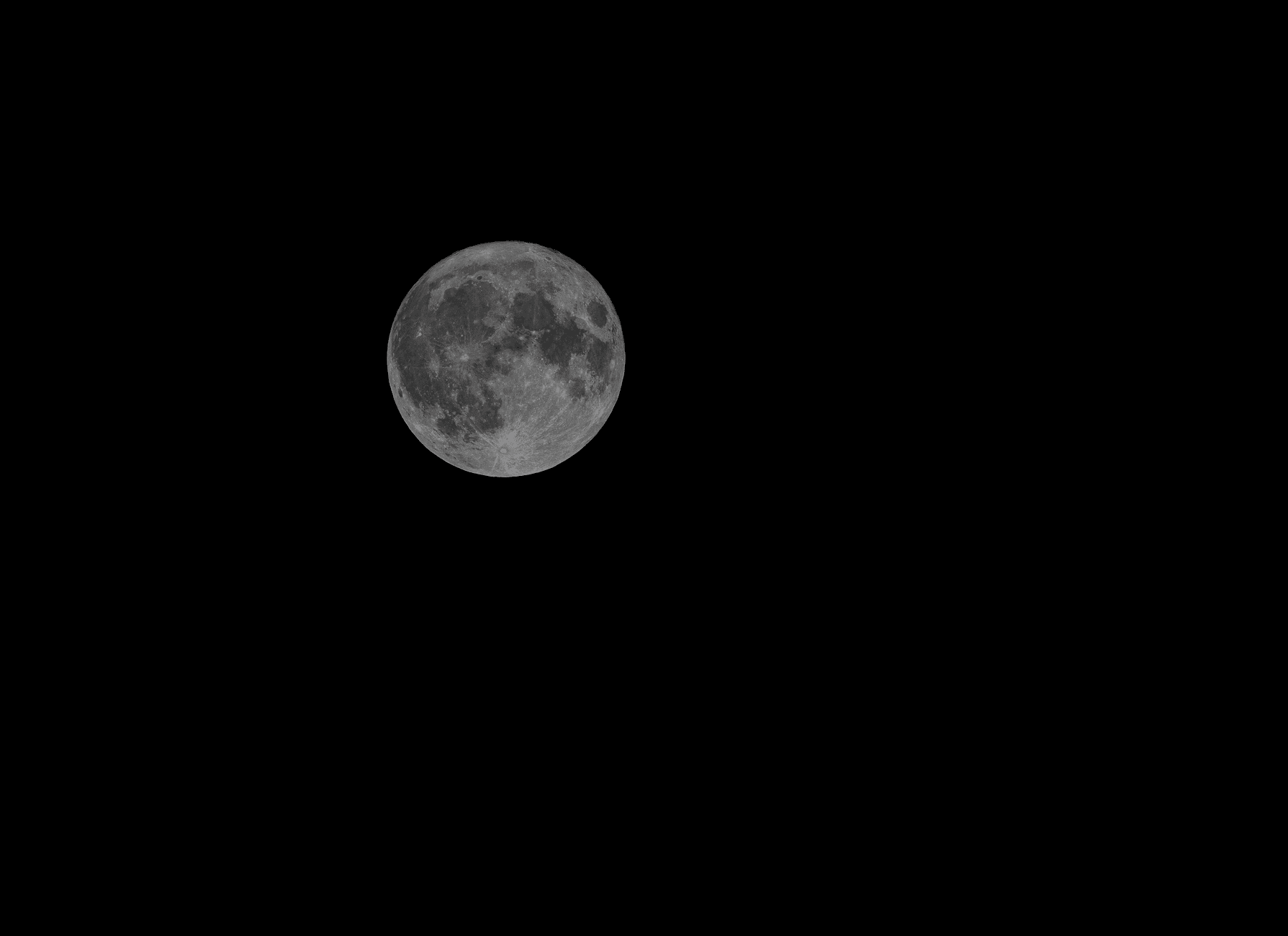
The current lunar phase, how much of the disc is lit and the countdown to the next full moon. With a calendar of the next twelve phases.
Current phase
—
—
—
Calculating…
Calculating…
The next 12 phases
Calculating…
A lunar date worth tracking? Create your own countdown and share it.
Create a countdown →Following the Moon day by day
This tool shows the phase of the Moon right now, along with the share of the disc lit by the Sun and the age of the current cycle, counted in days since the last new moon. A countdown gives the time left until the next new moon, first quarter, full moon or last quarter. The calendar of the twelve following phases lists the exact date and time of each one, with nothing to install and no account to create.
The positions of the Sun and the Moon are computed with the astronomical algorithms of Jean Meeus, the reference behind most ephemerides. The instants of full and new moon are therefore accurate to around two minutes. Times are shown in your device's time zone. The synodic month, from one new moon to the next, lasts 29.53 days on average, but its real length swings between 29.3 and 29.8 days.
How to use it
- Check the current phase and its illumination percentage at the top of the page.
- Pick a target phase — new moon, first quarter, full moon or last quarter — to display the matching countdown.
- Browse the calendar of the next twelve phases and create a countdown for the date you care about.
Frequently asked questions
The tool shows it live, together with a countdown of the time remaining. The date and time are recalculated on every visit and converted to your device's time zone.
The Moon's orbit is elliptical, so its speed changes through the month, and the Sun's pull disturbs it. The real interval swings between 29.3 and 29.8 days, around an average of 29.53 days.
The calculations follow Jean Meeus's astronomical algorithms: the instants of full and new moon are accurate to around two minutes, and they are displayed in your local time zone.
It is the phase between a quarter and the full moon: more than half of the disc is lit, but not yet all of it. It is waxing before the full moon and waning after it.