
Nuri | NeonSat-2 to 6
Countdown Timer - Nuri | NeonSat-2 to 6
Frequently Asked Questions
There are exactly 41 days left until Nuri | NeonSat-2 to 6, which is 962 hours or 57705 minutes.
Nuri | NeonSat-2 to 6 will take place on Wednesday, October 7, 2026 at 03:23 AM.
Use our real-time countdown to precisely track the time remaining until Nuri | NeonSat-2 to 6.
Space articles
All articles →
Related countdowns
See more space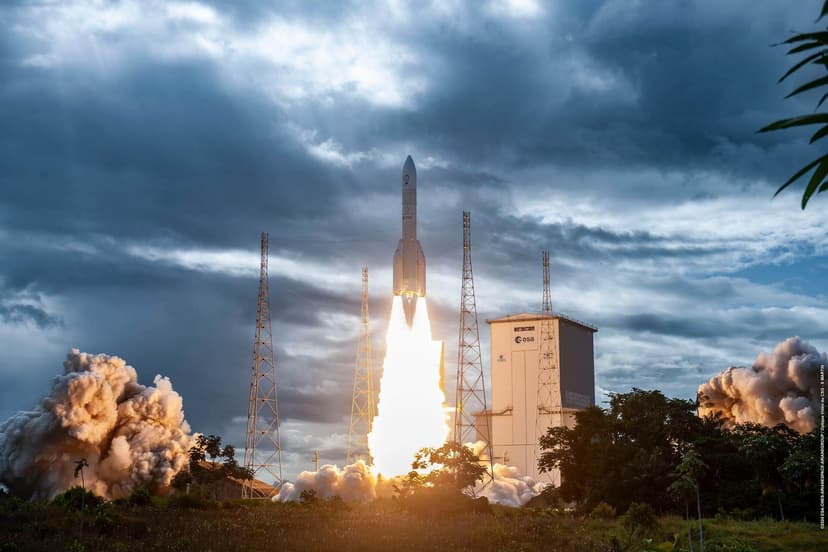
Ariane 62 | MTG-I2
Launch by Arianespace. Third of EUMETSAT's third generation of weather satellite. From Guiana Space Centre, French Guiana.
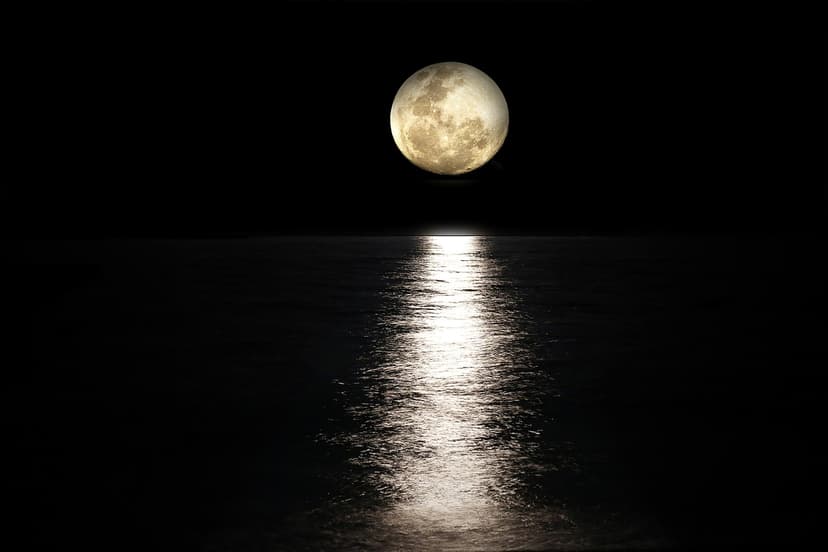
Next Full Moon
Live countdown to the next full moon: exactly how many days, hours and minutes? Computed from the real lunar cycle, not an approximate date.
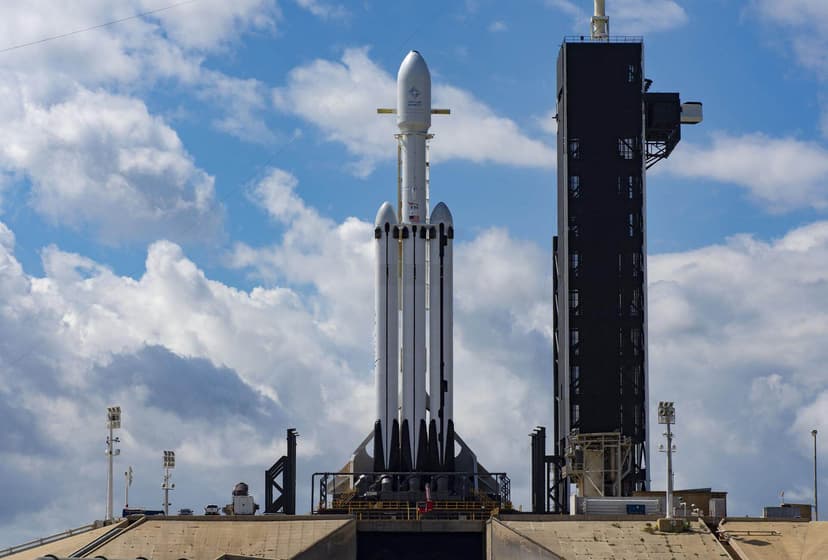
Falcon Heavy | Nancy Grace Roman Space Telescope
Launch by SpaceX. The Nancy Grace Roman Space Telescope is a NASA infrared space telescope with a 2.4 m (7.9 ft) wide field of view primary mirror and two scientific instruments. The Wide-Field Instrument (WFI) is a 300.8-megapixel multi-band visible and near-infrared camera, providing a sharpness of images comparable to that achieved by the Hubble Space Telescope over a 0.28 square degree field of view, 100 times larger than imaging cameras on the Hubble. The Coronagraphic Instrument (CGI) is a
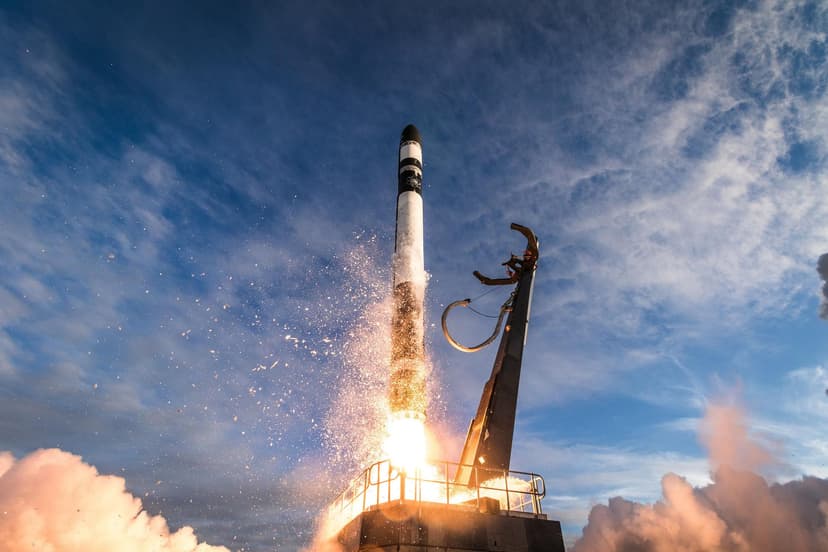
Electron | Owl Around The World (StriX Launch 11)
Launch by Rocket Lab. Synthetic aperture radar satellite for Japanese Earth imaging company Synspective. From Rocket Lab Launch Complex 1, Mahia Peninsula, New Zealand.

Pallas-1 | Demo Flight
Launch by Galactic Energy. First test launch of Galactic Energy’s Pallas-1 rocket. From Jiuquan Satellite Launch Center, People's Republic of China.
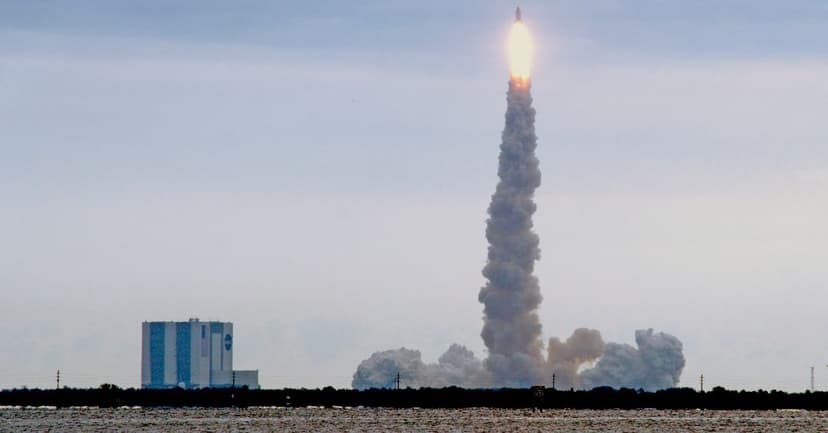
US EVA-99
NASA astronaut Jessica Meir and ESA astronaut Sophie Adenot will replace a retroreflector on the forward port of the space station’s Harmony module to support spacecraft navigation during rendezvous and docking operations. After installing the reflector, the crew will work to install jumper cables for the data-relay systems, prepare the Alpha Magnetic Spectrometer’s radiator for future maintenance, and replace a high-definition camera on the station’s truss. Location: International Space Station