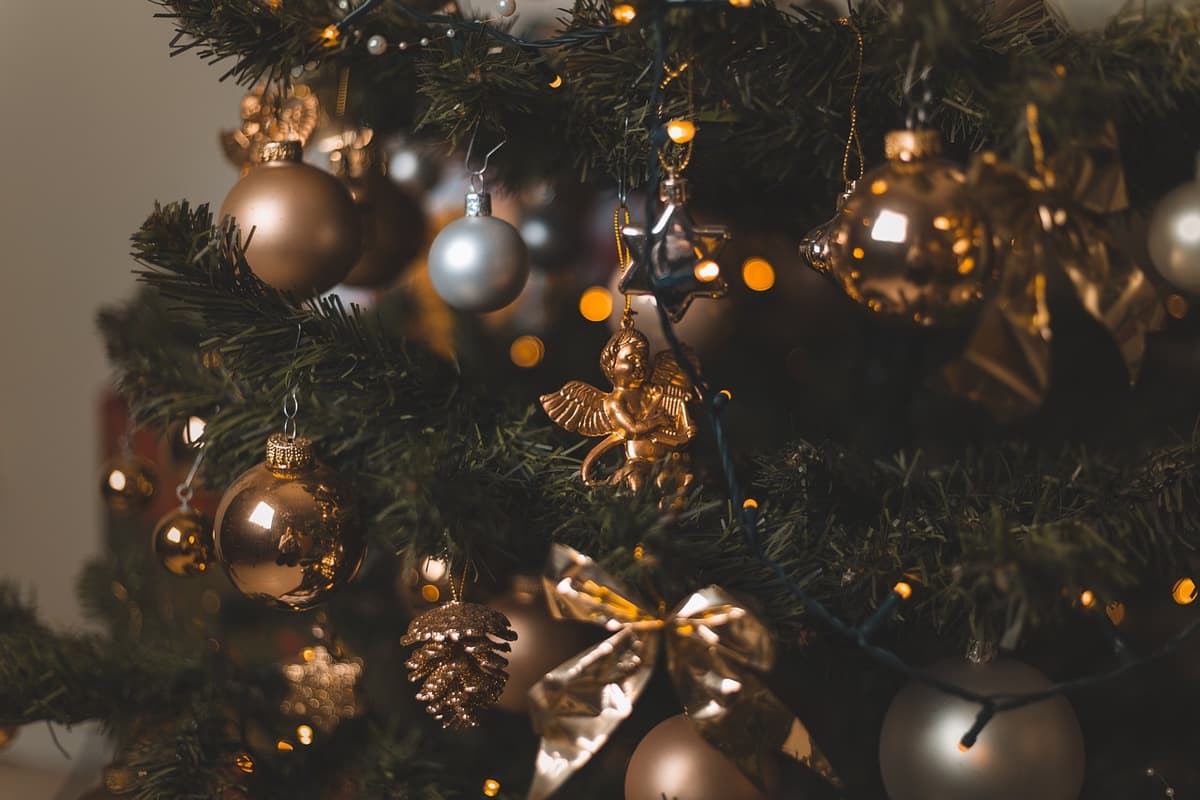
Friday, December 25, 2026 is Christmas Day — the same date it has occupied in the Western calendar since the church in Rome made it official in the year 336 AD. Roughly 134 days from now, billions of people across the world will mark it in one form or another, from midnight Mass to morning gift-opening to a sit-down dinner that takes most of the day to prepare and about 20 minutes to eat.
This article covers what Christmas actually is, why it lands on December 25, how different parts of the world observe it, and what you can do now to be ready for it.
What Christmas Is
Christmas is a religious festival commemorating the birth of Jesus Christ, observed annually on December 25 by Western Christian churches. The word itself comes from the Old English Cristes maesse, meaning "Christ's Mass." Over the centuries it expanded well beyond its religious core: today it is also a secular, cultural, and commercial event, observed by Christians and non-Christians alike in countries across nearly every continent.
In the United States, Christmas has been a federal public holiday since 1870, which means government offices, most banks, and many businesses close. The same is true in the United Kingdom, Canada, Australia, most of Europe, and dozens of other countries where it is recognised as a national holiday.
Why December 25?
No one knows the precise date Jesus was born. The New Testament's accounts of the birth — written by Matthew, Mark, Luke, and John — never name a specific date. The figure of December 25 is largely attributed to the early Christian historian Sextus Julius Africanus, who proposed it around 221 AD. It was not until 336, during the reign of the emperor Constantine, that the church in Rome began formally celebrating Christmas on December 25. Constantine had made Christianity the effective religion of the empire, and the date also overlapped with existing Roman midwinter celebrations, which helped the festival take hold.
December 25 has been the fixed date for Christmas in the Western church since 336 AD — nearly 1,700 years of the same calendar slot.
One important note: not all Christians celebrate on December 25. Eastern Orthodox churches that follow the older Julian calendar — a calendar system that predates the Gregorian calendar now in common use — observe Christmas on what corresponds to January 7 on the modern calendar. This affects large communities in Russia, Serbia, Ethiopia, and parts of the Middle East.
How It Is Celebrated Around the World
The core elements — gathering with family, exchanging gifts, sharing a meal — repeat across cultures, but the details differ sharply by country:
- United States and Canada: Gifts are typically opened on Christmas morning. A large family dinner, often featuring roast turkey, follows. Advent calendars (small daily boxes or windows counting down the 24 days before Christmas) and decorating a Christmas tree are standard build-up traditions.
- Most of Europe: Gift-giving happens on Christmas Eve in many countries, including Germany, France, and the Netherlands. Germany is also known for its famous Christmas markets — open-air stalls selling food, mulled wine, and handcrafted goods — in cities such as Nuremberg and Cologne.
- Mexico and Latin America: At midnight on Christmas Eve, the ringing of bells calls families to La Misa del Gallo ("The Mass of the Rooster"), a midnight church service central to the celebration.
- Italy: Gift-giving is traditionally deferred until January 6 — the feast of the Epiphany — when a figure called La Befana (a gift-giving witch from folklore) visits children. Nativity scenes, not Christmas trees, are the primary decoration in many Italian homes and town squares.
- India: Christian communities celebrate with midnight Mass, and banana or mango trees are decorated in place of pine trees, a local adaptation of the northern European tradition.
- Philippines: The Philippines is known for some of the longest Christmas celebrations in the world, starting as early as September, with giant lantern festivals among the most distinctive events.
The figure of Santa Claus — the secular, gift-delivering character in red — traces back to Saint Nicholas, a 4th-century Greek bishop from Myra in what is now Turkey, who was known for his generosity toward children and the poor. His feast day, December 6, was historically associated with gift-giving in Europe; over time, that tradition merged into Christmas itself.
The Advent Season: The Four Weeks Before
Advent — from the Latin adventus, meaning "coming" — is the period of preparation that begins on the fourth Sunday before Christmas. In 2026, Advent starts on November 29. In most churches, it is a time of reflection and anticipation. In households worldwide, it is also the season for putting up decorations, buying gifts, and opening those daily Advent calendar windows. It is the practical runway for everything that lands on December 25.
What to Do Before December 25, 2026
With 134 days to go as of today, August 12, 2026, there is still comfortable time to plan — but not unlimited time. Here is a plain-spoken checklist:
- Book travel early. Flights and trains on December 23–26 fill up faster than almost any other period in the year. If you are travelling to see family, searching now will cost less than searching in November.
- Set a gift budget. Deciding on a spending limit before the season starts prevents the slow creep of impulse purchases that turns December into a January debt problem.
- Make restaurant reservations. Christmas Day dining out is popular, and many restaurants that open on December 25 require advance bookings.
- Order online gifts with delivery margins. In 2026, Christmas falls on a Friday. Ordering perishable or custom gifts by early December gives a buffer against courier delays.
- Plan Advent if that matters to you. If you observe Advent — whether for religious or family tradition reasons — November 29 is the date to mark in your calendar.
You can track exactly how many days remain until December 25 using the Christmas 2026 countdown on WatchIsUp. The count updates in real time, which is useful if you are coordinating deadlines for orders, travel, or event planning.
What Happens Next
After December 25, the Christmas period continues in most traditions through January 6 — the Epiphany, the day that commemorates the visit of the Magi to the infant Jesus. In many countries this is a second gift-giving occasion. In the UK, "Boxing Day" on December 26 is a separate public holiday with its own traditions. Christmas 2027 will fall on a Saturday.
Sources
- Christmas 2026 - Calendar-12.com
- When Is Christmas Day 2026? | Christmas Traditions, History, Recipes | The Old Farmer's Almanac
- CHRISTMAS DAY - December 25, 2026 - National Day Calendar
- CHRISTMAS - December 25, 2026 - National Today
- Christmas Day 2026 | Awareness Days
- Christmas | Origin, Definition, Traditions, History, Date, Meaning, & Facts | Britannica
- Christmas Day: Date, History And Original Meaning - Calendarr
- Christmas Day 2026, Christmas Day 2027 and further
