
Long March 6A | Unknown Payload
Countdown Timer - Long March 6A | Unknown Payload
Frequently Asked Questions
There are exactly 7 days left until Long March 6A | Unknown Payload, which is 151 hours or 9013 minutes.
Long March 6A | Unknown Payload will take place on Thursday, July 30, 2026 at 01:00 AM.
Use our real-time countdown to precisely track the time remaining until Long March 6A | Unknown Payload.
Related countdowns
See more space
Starship | Flight 13
Launch by SpaceX. 13th test flight of the two-stage Starship launch vehicle. Second flight of Starship V3. For the first time, Starship will carry 20 V3 Starlink satellites to space, which will extend solar arrays and antennas and will attempt to connect with ground stations in South Africa and the larger Starlink constellation via high-capacity lasers. 6 of the satellites have been modified with a suite of cameras to scan Starship’s heat shield and transmit imagery down to operators to c
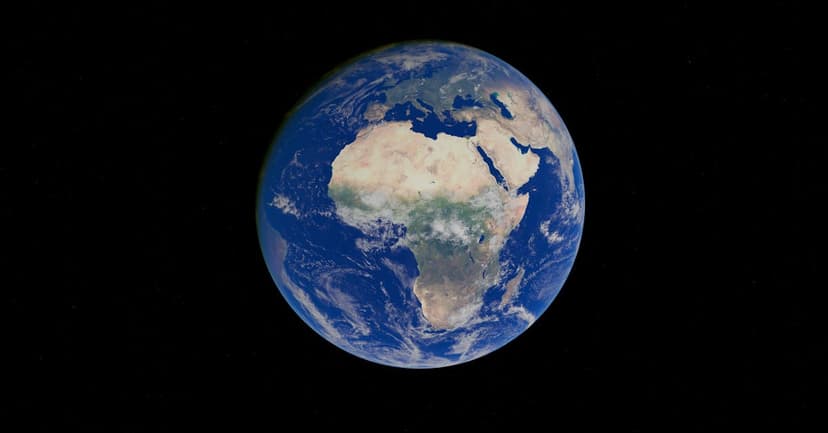
Juice Earth Flyby
Third flyby of ESA's Jupiter Icy Moons Explorer (Juice) mission on its way to the Jovian system. Location: Earth.
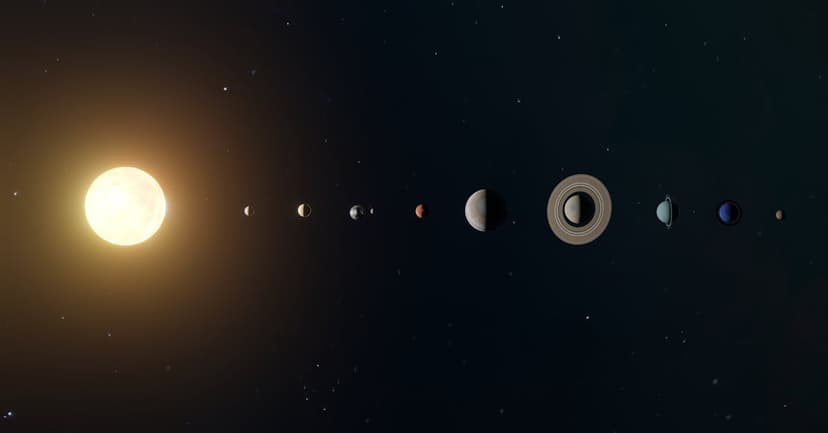
Solar Orbiter Venus Flyby
Solar Orbiter, a partnership between ESA and NASA, will perform a gravity assist maneuver with Venus on December 24, 2026. Throughout its mission it also makes repeated gravity assist flybys of Venus to get closer to the Sun, and to change its orbital inclination, boosting it out of the ecliptic plane, to get the best – and first – views of the Sun’s poles. Location: Venus.
Europa Clipper Earth Flyby
NASA’s Europa Clipper will fly by Earth for a second and final gravity assist on its way to Jupiter. Location: Earth.
SNC-1 Dream Chaser Landing
The Sierra Nevada Corporation SNC-1 Dream Chaser will land autonomously at the Launch and Landing Facility of Kennedy Space Center. Location: Kennedy Space Center, FL, USA.
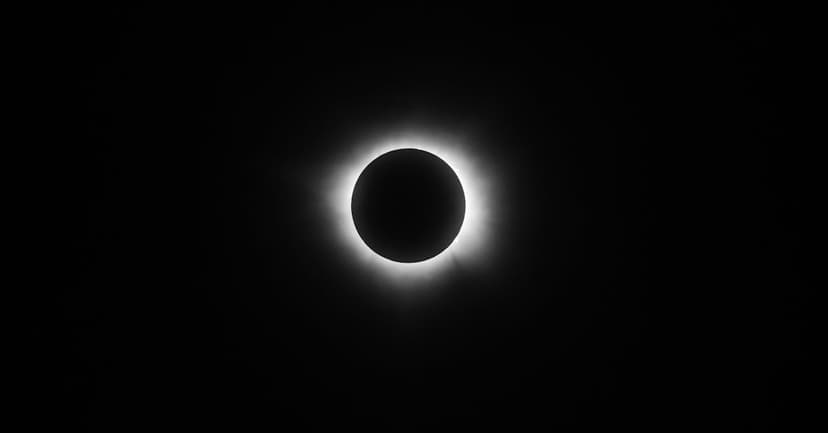
Total Solar Eclipse in Europe
On 12 August 2026, a solar eclipse will be visible across parts of Europe and the north Atlantic. The path of totality will cross Greenland, Iceland, Spain and a small area of northeastern Portugal. Other parts of Europe will see a partial solar eclipse. Location: Europe & Northern Atlantic.