
Atlas V 551 | Amazon Leo (LA-07)
29 satellites are carried on this laun
Countdown Timer - Atlas V 551 | Amazon Leo (LA-07)
Frequently Asked Questions
There are exactly 11 days left until Atlas V 551 | Amazon Leo (LA-07), which is 254 hours or 15239 minutes.
Atlas V 551 | Amazon Leo (LA-07) will take place on Friday, May 22, 2026 at 06:56 PM.
Use our real-time countdown to precisely track the time remaining until Atlas V 551 | Amazon Leo (LA-07).
Related countdowns
See more space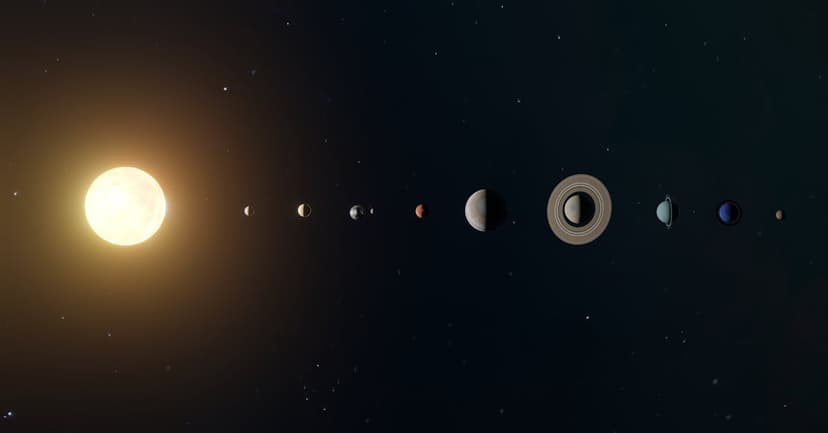
Solar Orbiter Venus Flyby
Solar Orbiter, a partnership between ESA and NASA, will perform a gravity assist maneuver with Venus on December 24, 2026. Throughout its mission it also makes repeated gravity assist flybys of Venus to get closer to the Sun, and to change its orbital inclination, boosting it out of the ecliptic plane, to get the best – and first – views of the Sun’s poles. Location: Venus.
US EVA-95
Two astronauts will replace a high-definition camera on camera port 3, install a new navigational aid for visiting spacecraft, called a planar reflector, on the Harmony module’s forward port, and relocate an early ammonia servicer jumper — a flexible hose assembly that connects parts of a fluid system — along with other jumpers on the station’s S6 and S4 truss. Location: International Space Station.
Hayabusa2 S-Type Asteroid (98943) Torifune Flyby
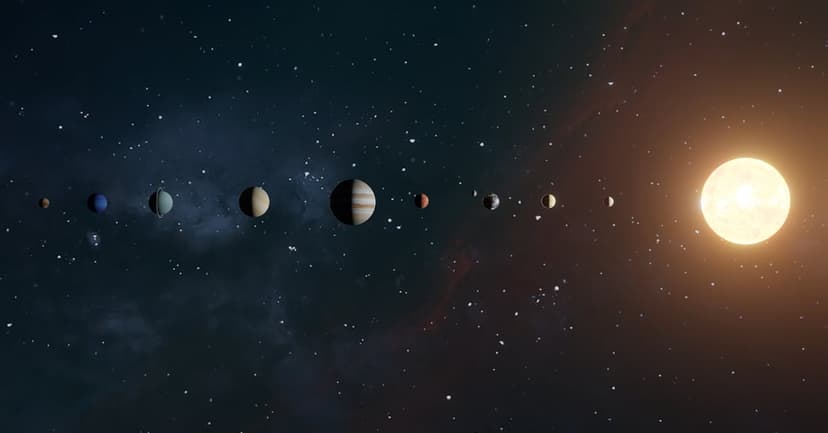
As part of its mission extension, JAXA's Hayabusa2 spacecraft will observe S-type asteroid (98943) Torifune during a high-speed fly-by. Location: (98943) Torifune.
Vega-C | Solar wind Magnetosphere Ionosphere Link Explorer (SMILE)
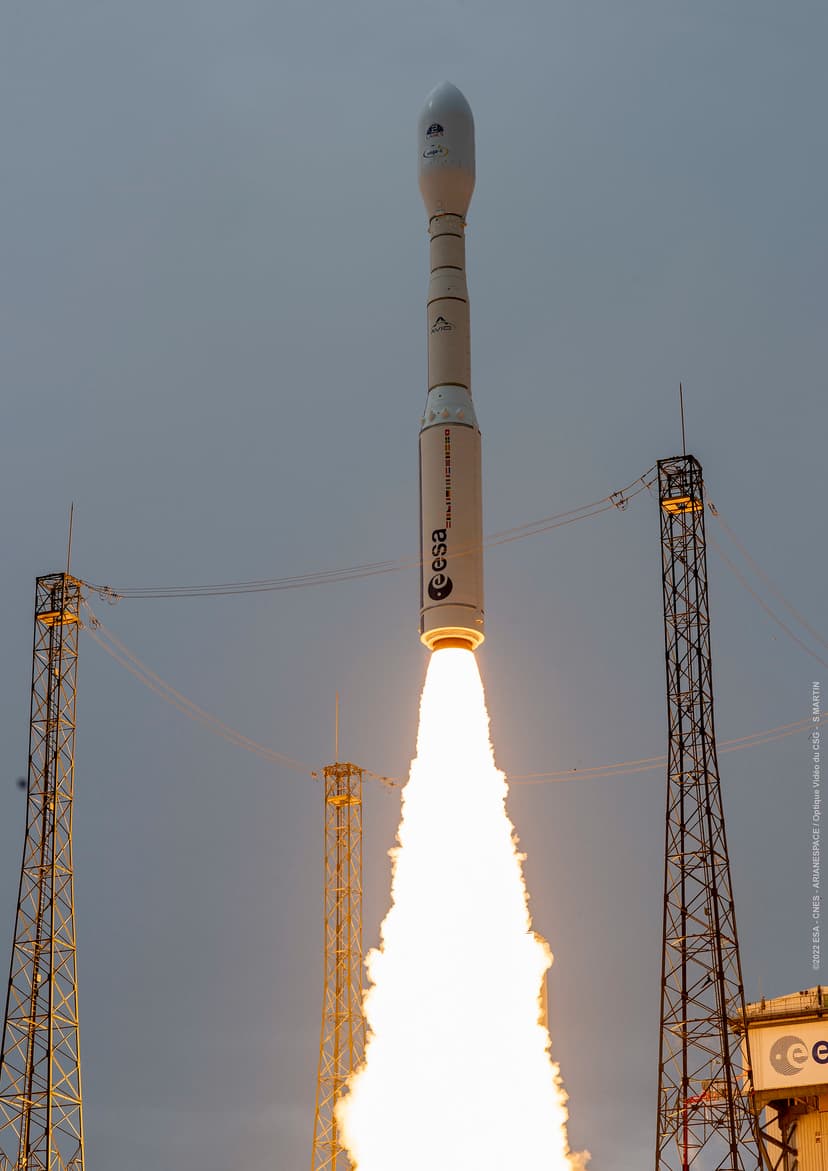
Launch by Avio S.p.A. Joint mission between the European Space Agency and the Chinese Academy of Sciences to investigate the interaction between Earth’s protective shield – the magnetosphere – and the supersonic solar wind. From Guiana Space Centre, French Guiana.
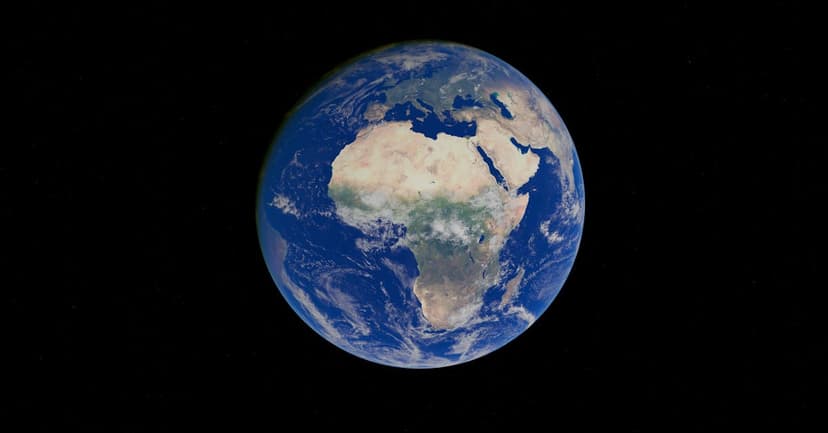
Juice Earth Flyby
Third flyby of ESA's Jupiter Icy Moons Explorer (Juice) mission on its way to the Jovian system. Location: Earth.
SNC-1 Dream Chaser Landing
The Sierra Nevada Corporation SNC-1 Dream Chaser will land autonomously at the Launch and Landing Facility of Kennedy Space Center. Location: Kennedy Space Center, FL, USA.